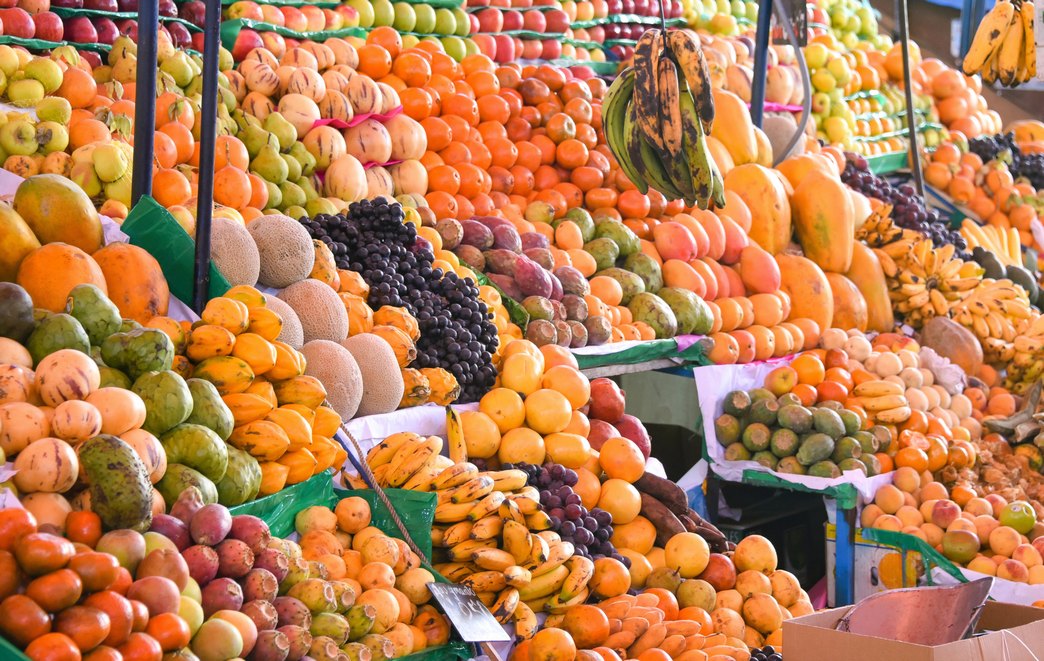


Peru is much more than a land of breathtaking landscapes and one of the world’s most celebrated cuisines. It is also one of the most biodiverse countries on Earth—a place where nature reveals its richness in truly extraordinary ways.
This remarkable biological wealth is no coincidence. It is the result of Peru’s unique geography and the convergence of dramatically different climates and ecosystems—from the Pacific coast to the Andes Mountains and the Amazon rainforest. Together, these environments have created an exceptional variety of plant and animal life, making Peru one of the planet’s most important reservoirs of biodiversity.
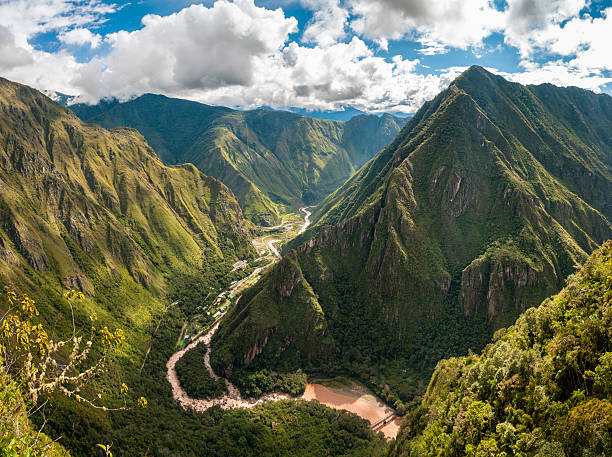
Geographic Diversity That Makes It Unique
The territory of Peru brings together three major natural regions: the desert coastline influenced by the Humboldt Current, the towering Andes Mountains with peaks rising above 6,000 meters, and a vast portion of the tropical Amazon rainforest—the largest and most biodiverse forest in South America.
This dramatic range of altitudes, climates, and ecosystems creates extraordinary ecological complexity. Peru contains 84 of the 117 life zones on the planet and 28 different climate types, a level of environmental diversity that very few countries can match.
A Giant in Flora and Fauna
Peru ranks among the top 10 megadiverse countries in the world, hosting an extraordinary range of species:
-
More than 25,000 plant species, about one-third of which are endemic—found nowhere else on Earth.
-
Over 1,800 bird species, placing Peru among the most diverse countries in the world for birdlife.
-
Thousands of animal species, including more than 500 mammals, over 650 amphibians, nearly 500 reptiles, and countless fish living in both marine and freshwater ecosystems.
-
More than 4,000 documented butterfly species, making Peru a global leader in butterfly diversity and one of the most striking examples of insect biodiversity.
Together, this immense natural wealth makes Peru one of the planet’s most important centers of life and ecological diversity.